

New olive oil: what it is and how to enjoy it
The oil of the harvest just finished: intense aromas, decided bitterness and pungency. Why it is like that, how to use it and how it changes over the months.
23 October 2026
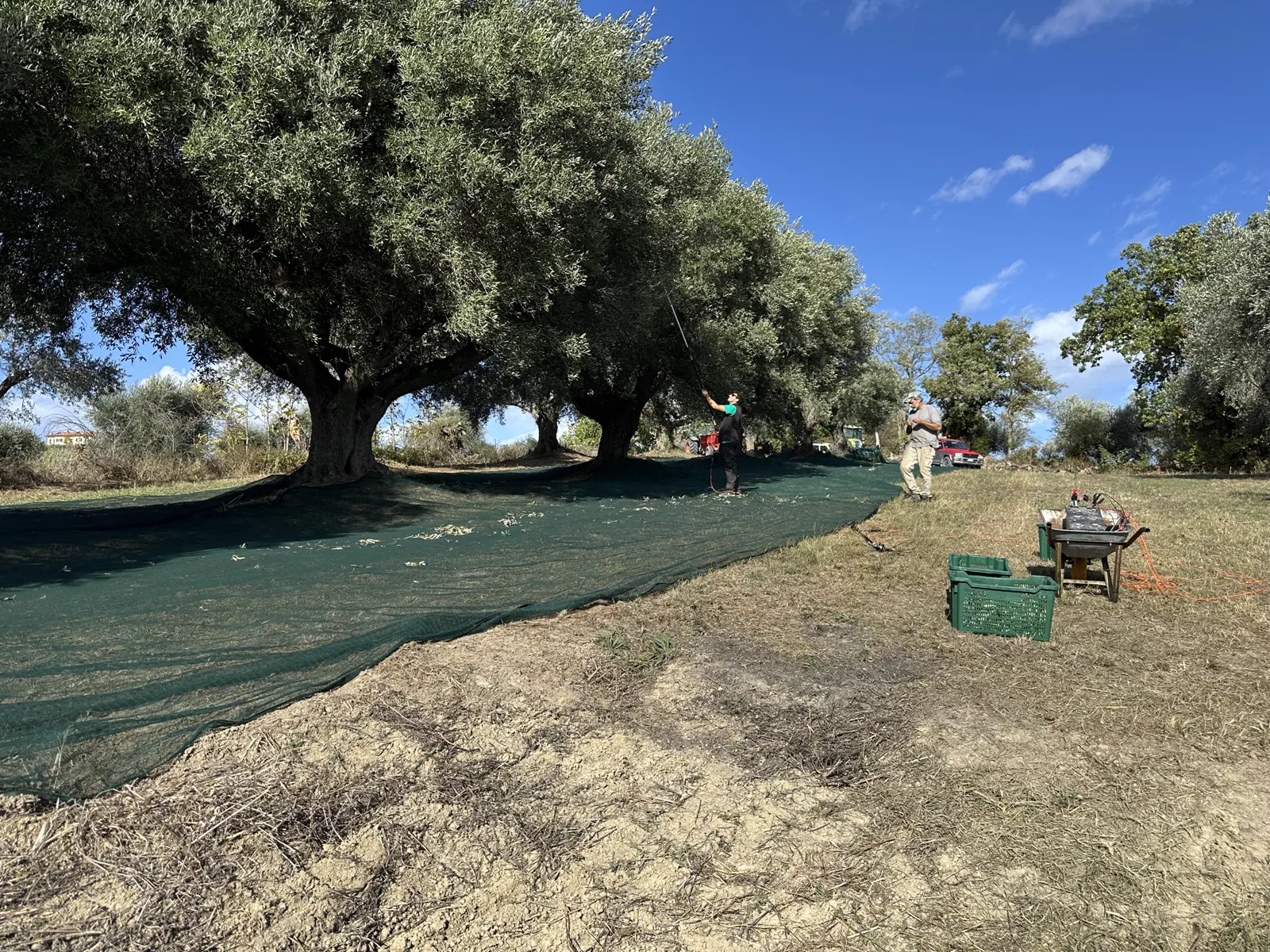
In central Italy olives are harvested in autumn, usually between October and December, and the oil comes out of the mill a few days later. “New oil” is not a legal category: it simply means the oil of the latest harvest, in the weeks when it is freshly made.
What new oil is like
- Intense aromas of fresh olives, grass and leaf.
- Decided bitterness and pungency, sometimes enough to catch the throat: these are the olive’s polyphenols, at their peak.
- Colour often bright green, depending on the variety and the time of harvest.
- It may be cloudy if unfiltered: tiny particles of olive and vegetation water.
How it changes over the months
As the months go by the oil “rounds out”: bitterness and pungency soften and the taste becomes gentler. It is a natural evolution, not a defect. If the oil is cloudy, the particles slowly settle at the bottom: that is normal, but it is best used first and stored carefully, cool and dark.
How to enjoy it
New oil is at its best raw, where its character comes through fully:
- on bruschetta, the oldest way to taste it;
- in pinzimonio of raw vegetables;
- on pulses, soups and broths, such as pasta and chickpeas, just before serving;
- on grilled meat and fish.
Which to choose
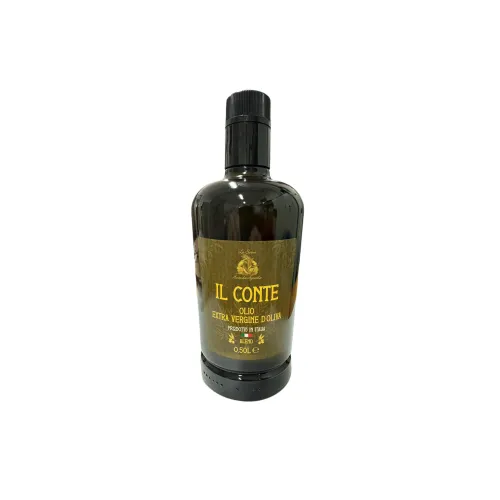
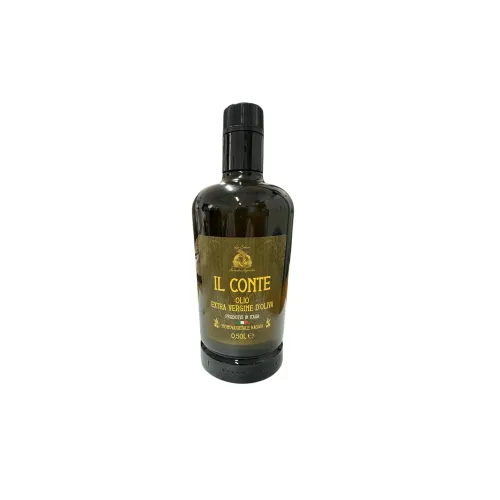
To taste new oil as it is, the Raggia single variety tells the character of a single cultivar; the Blend combines four Marche varieties and is more balanced, also suited to everyday cooking.