

From our kitchen
Recipes and tips
How to make the most of our extra virgin olive oil, raw and in cooking, and how to store it.
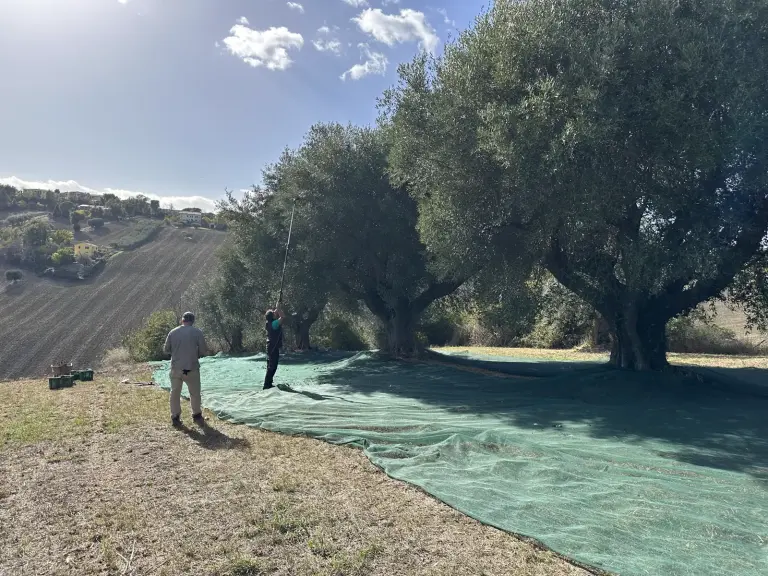 How extra virgin olive oil is made, from olive to bottle
Harvest, crushing, malaxing, extraction: the steps that turn olives into extra virgin olive oil, and why speed and temperature matter so much.
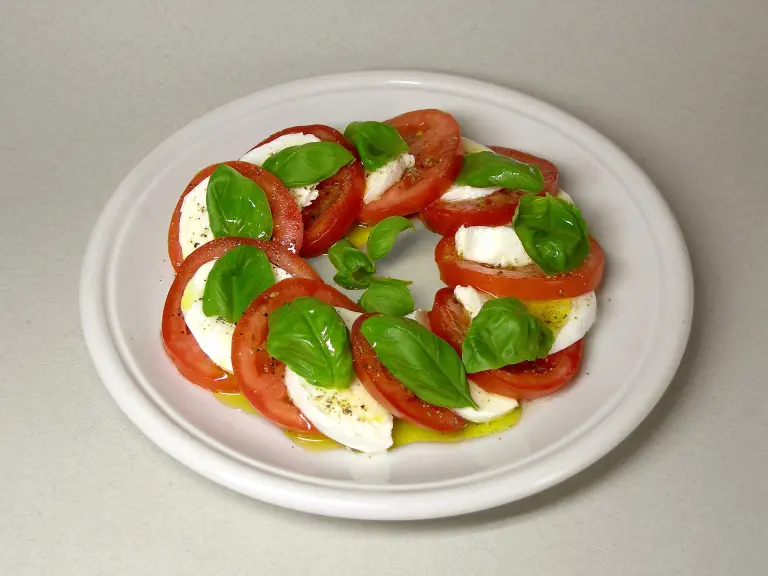 Caprese salad
Tomato, mozzarella, basil and raw extra virgin olive oil: four ingredients, and you taste the oil in every bite. The tricks to make it well.
 Olive oil or extra virgin: what is the difference
Extra virgin, virgin, “olive oil” and olive-pomace oil: the four categories on the shelves, how they are made and how to tell them apart on the label.
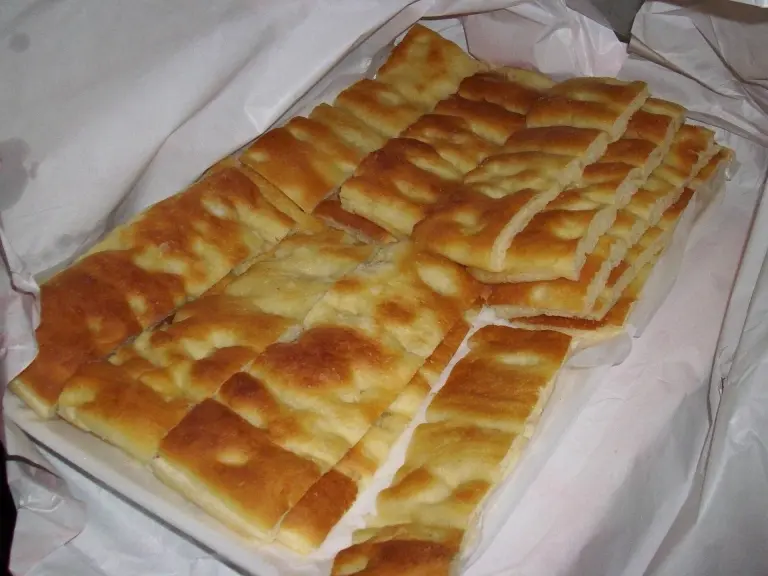 Genoese focaccia
A finger thick, golden, its dimples full of oil and coarse salt: Genoa’s fugassa made at home, with the brine that makes it unique.
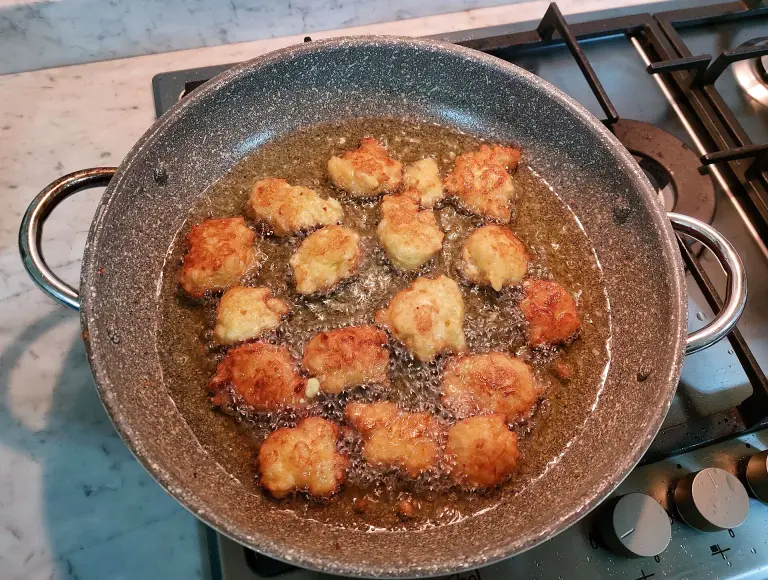 Can you fry with extra virgin olive oil?
Yes, and well: what Italy’s official healthy eating guidelines say, what temperature to fry at and why the oil should not be reused.
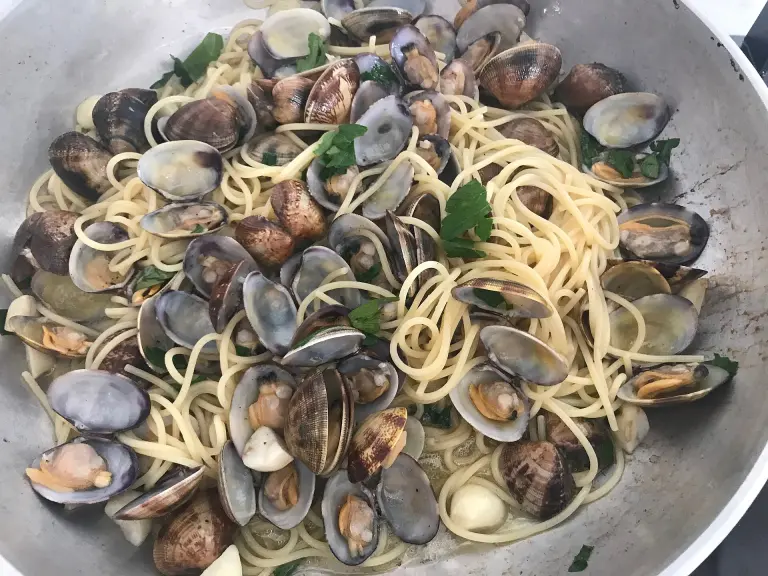 Spaghetti with clams (spaghetti alle vongole)
In bianco, with garlic, parsley and the clams’ own juices: a seafood pasta where extra virgin olive oil does half the work.
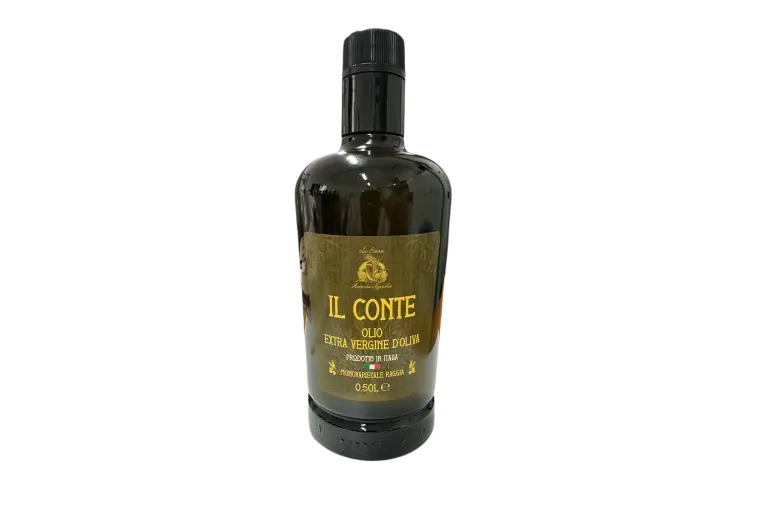 How to read an extra virgin olive oil label
Origin, “cold extracted”, fruitiness, acidity, harvest year: what each wording means under EU rules, and which ones may only be used under certain conditions.
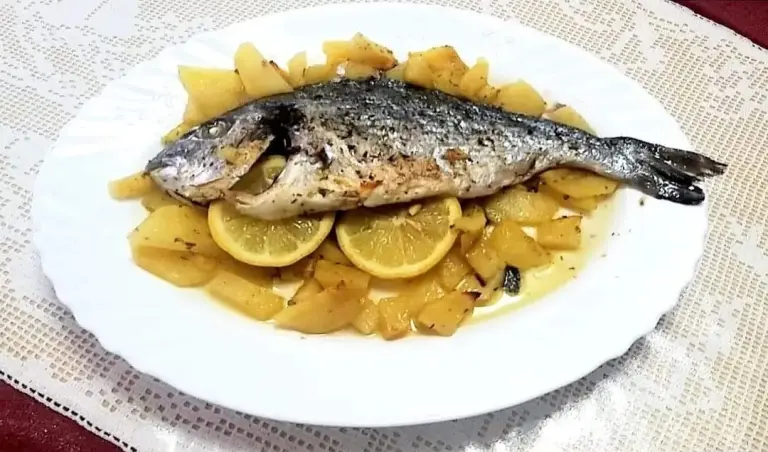 Baked sea bream with potatoes
A whole sea bream on a bed of potatoes, lemon and rosemary: the simplest fish main course, with the right timing so it stays moist.
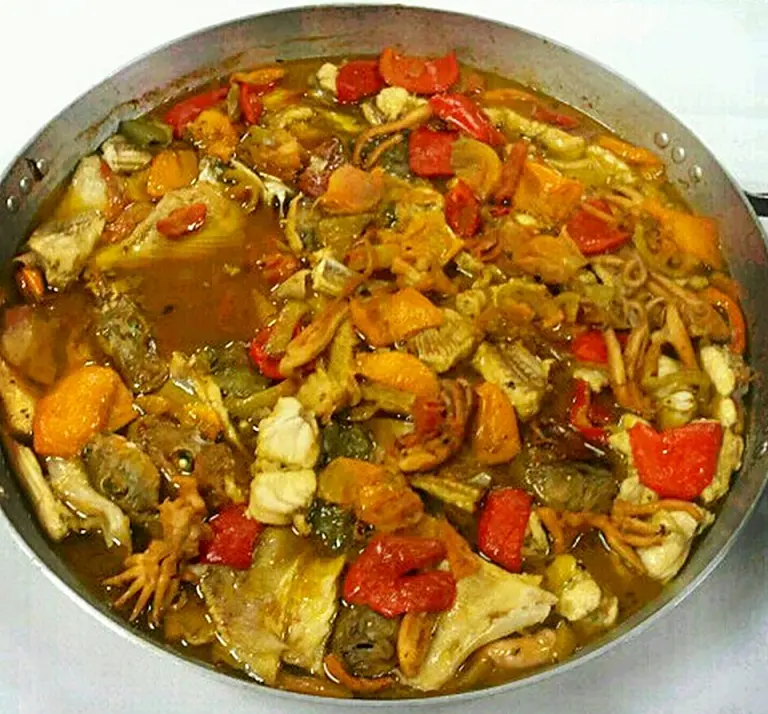 San Benedetto fish stew (brodetto alla sambenedettese)
The fish stew of the fishermen of San Benedetto del Tronto, with peppers, green tomatoes and vinegar: a one-pot meal born on the boats.
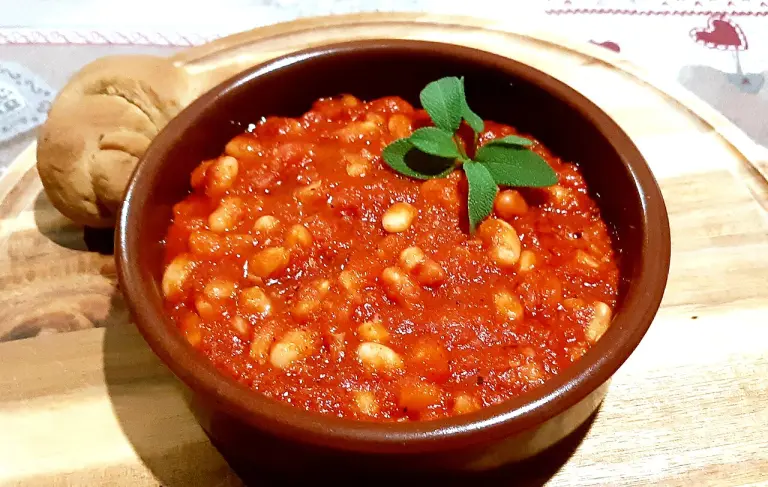 Fagioli all’uccelletto (beans with sage and tomato)
Cannellini beans flavoured in oil with garlic and sage, then simmered in tomato: the Tuscan side dish Artusi already wrote about.
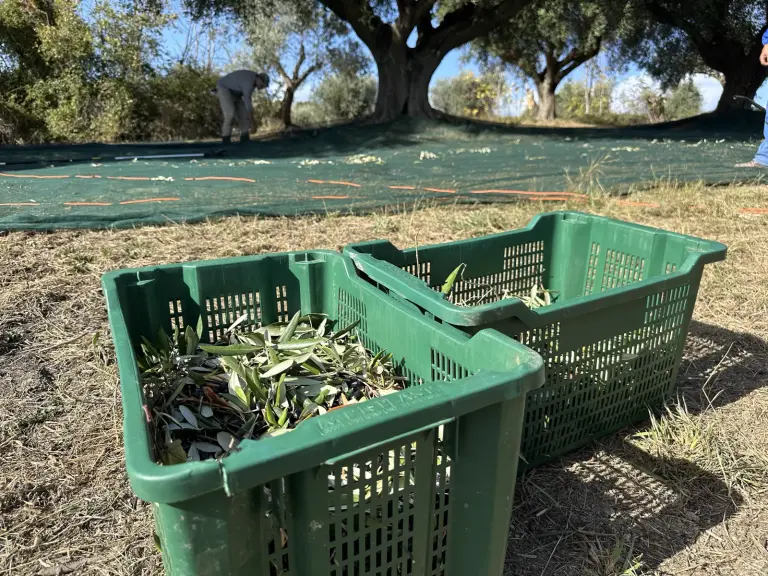 Blend or single variety: which olive oil to choose
A single variety oil comes from one olive variety, a blend from several. What the difference is, which is better and how to use them in cooking.
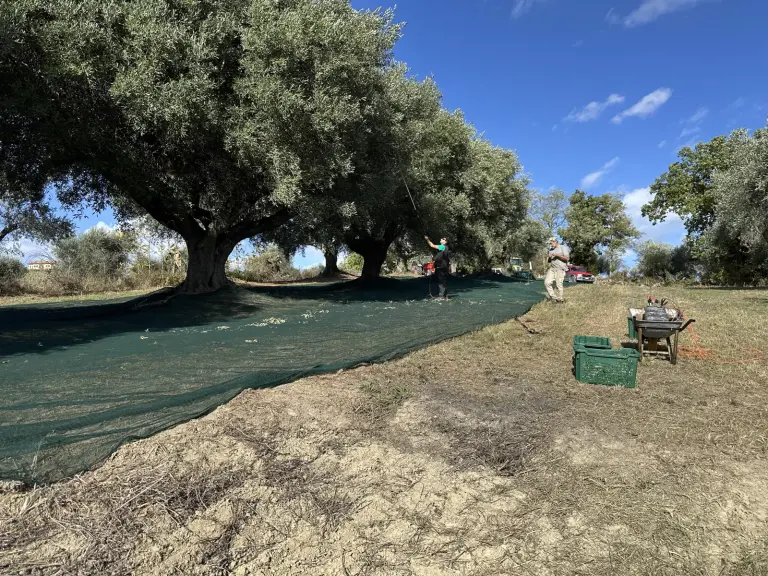 New olive oil: what it is and how to enjoy it
The oil of the harvest just finished: intense aromas, decided bitterness and pungency. Why it is like that, how to use it and how it changes over the months.
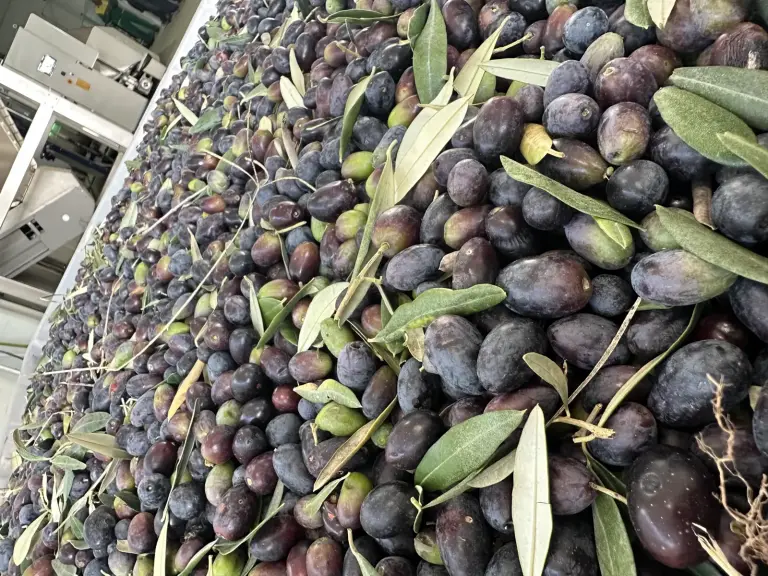 How to recognise a quality extra virgin olive oil
What “extra virgin” means by law, what to read on the label and how to taste it at home: bitterness and pungency are virtues, colour does not count.
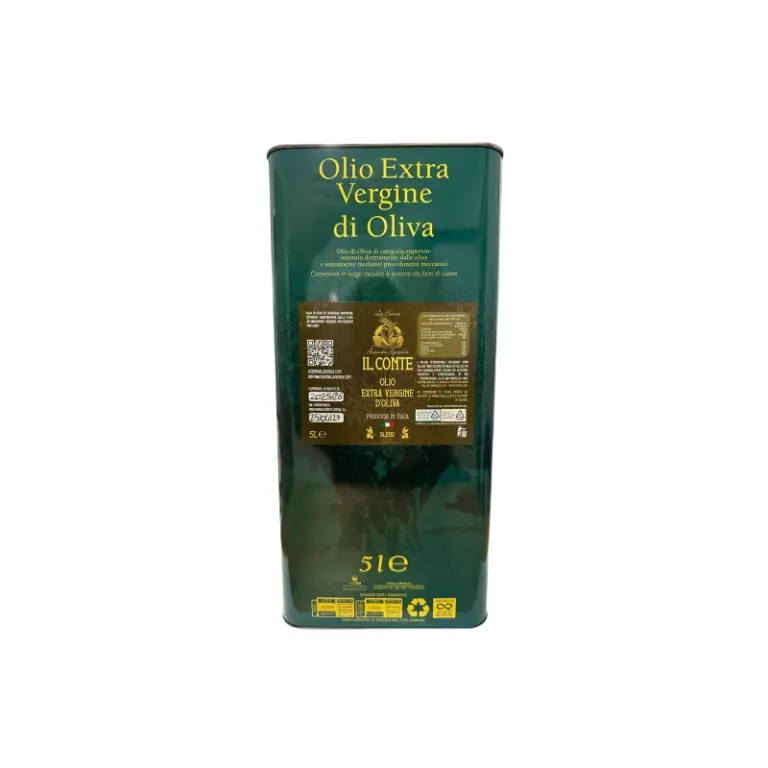 How to store extra virgin olive oil
Light, heat and air are the enemies of oil. Where to keep it, in what container, how long it lasts and how to tell it has aged.
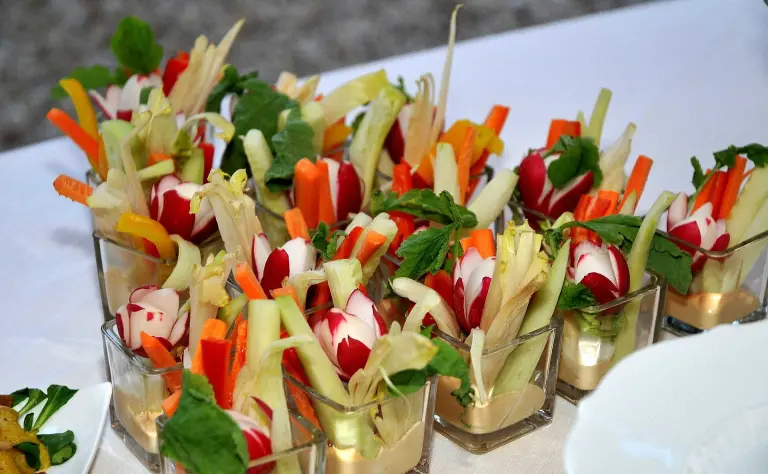 Pinzimonio (raw vegetables in olive oil)
Raw seasonal vegetables dipped in oil with salt and pepper: the most direct way to taste an extra virgin olive oil, as tasters do.
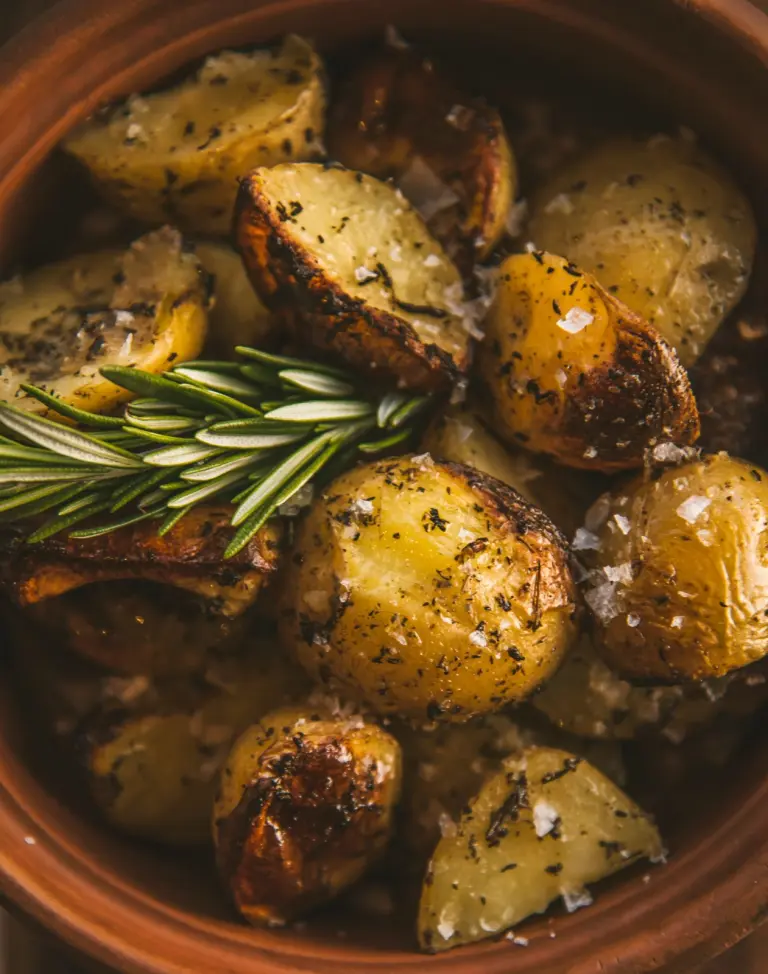 Roast potatoes with rosemary and garlic
Crisp outside and soft inside: the best-loved home side dish, with the tricks to keep them from going soft or burning the rosemary.
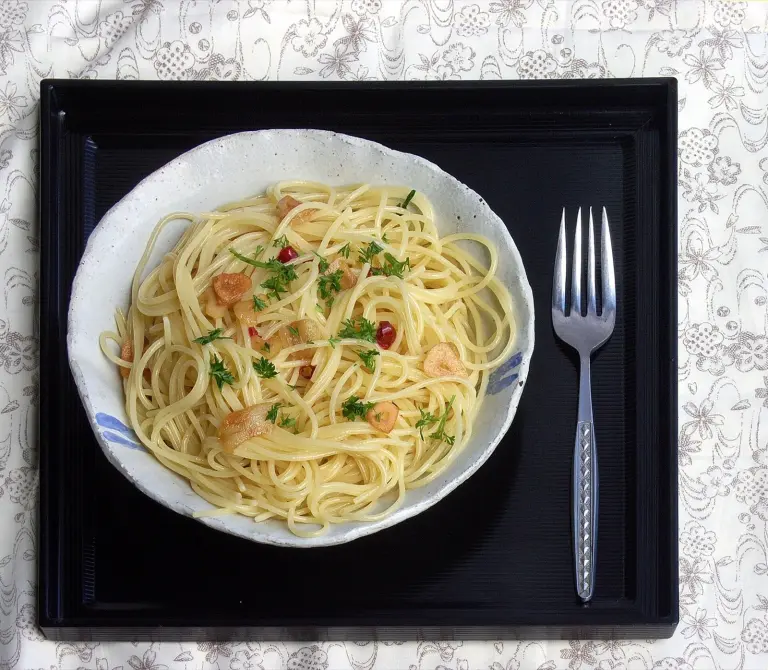 Spaghetti aglio, olio e peperoncino
Three ingredients and good oil: Italy’s simplest pasta, where the extra virgin olive oil is the sauce. The secret is the pasta water.
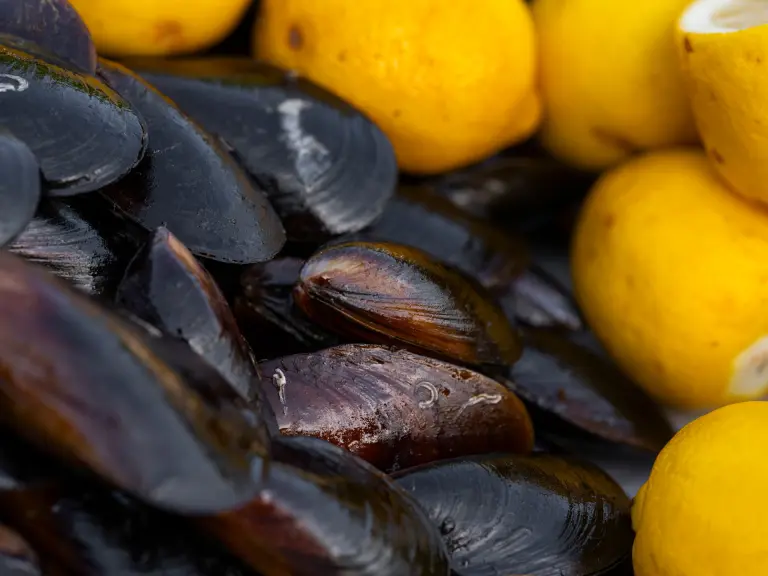 Mussels marinara, Conero style
Mussels opened in the pan with oil, garlic, pepper, parsley and lemon: the way they are made on the Conero coast, also with wild “moscioli”.
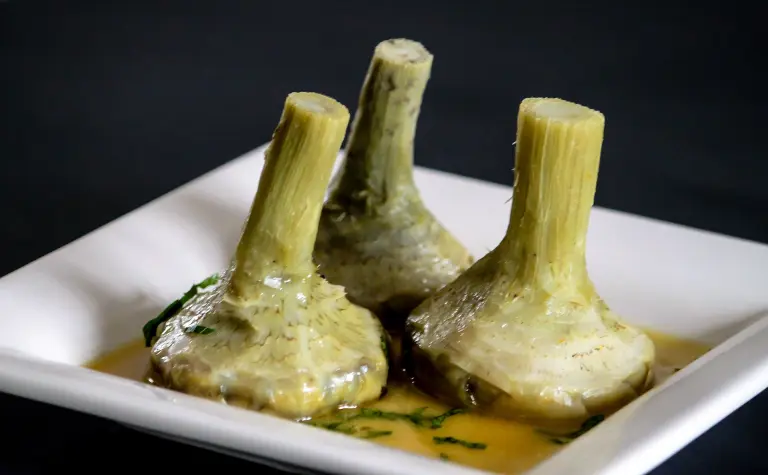 Roman-style artichokes
Whole artichokes filled with wild mint, parsley and garlic and cooked slowly upside down in oil: the spring side dish of central Italy.
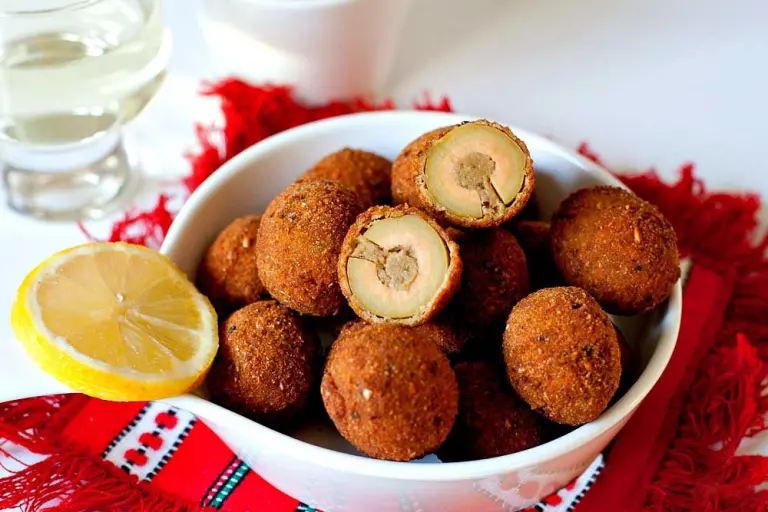 Olive all’ascolana (stuffed fried olives)
The most famous fried dish of Marche: green olives stuffed with meat, breaded and fried. A recipe of patience, best made in company.
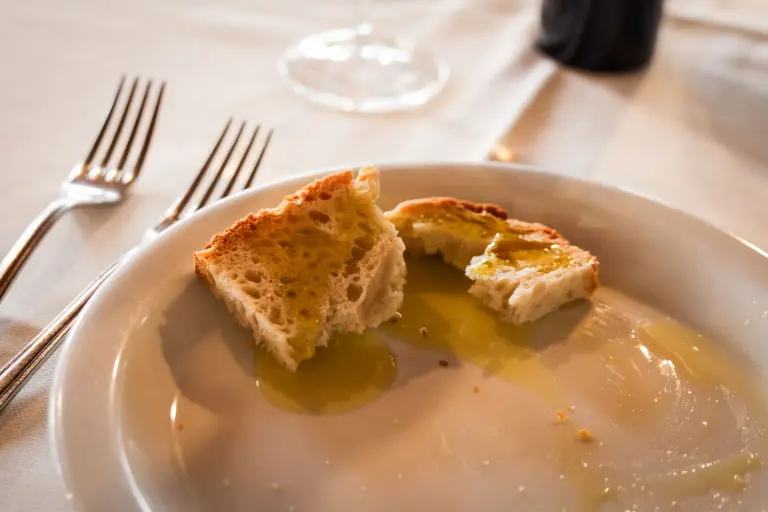 Bruschetta with new olive oil
Toasted bread, garlic, salt and plenty of freshly pressed oil: the simplest and oldest way to taste the extra virgin olive oil of the new harvest.
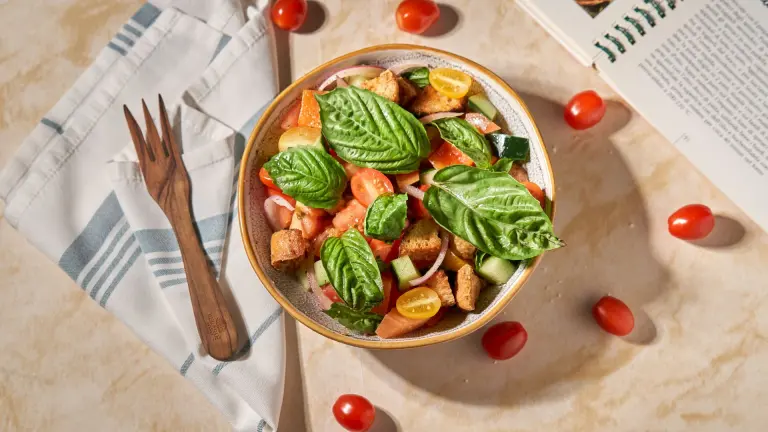 Panzanella
The stale bread and tomato salad of central Italy, from Tuscany to Marche: a humble dish that lives on good raw oil.
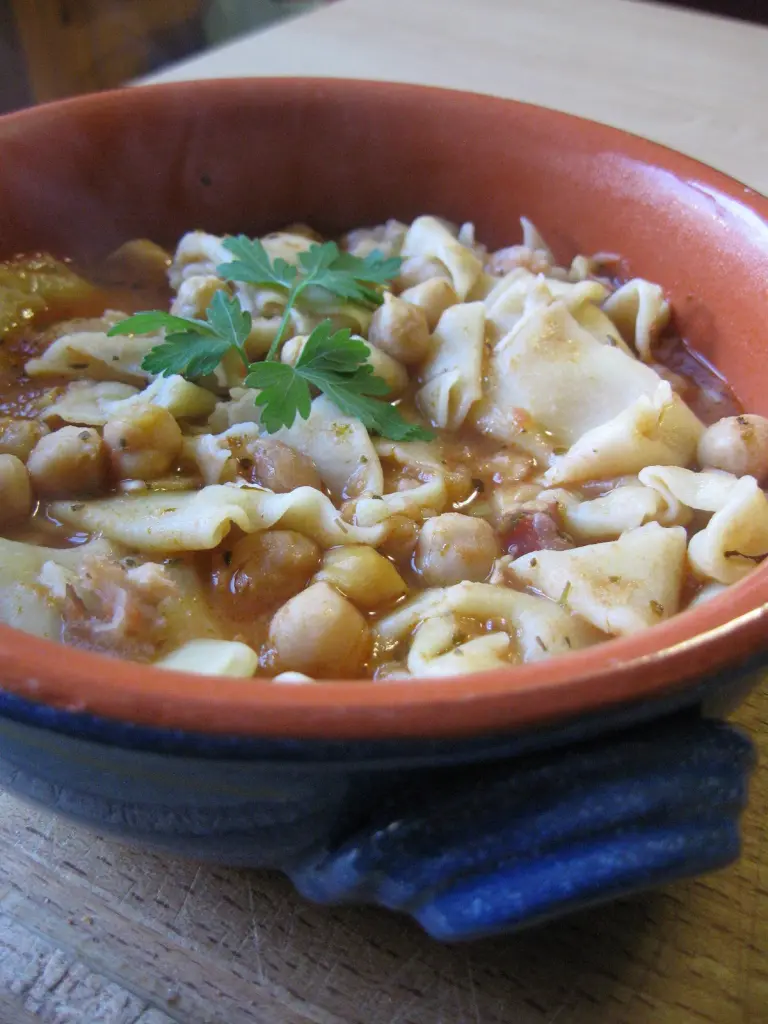 Pasta and chickpeas with rosemary
The home cooking of central Italy, creamy and fragrant: the Blend for the base, the Raggia raw to finish.
 Marche-style rabbit “in porchetta”
Rabbit stuffed and rolled with wild fennel, garlic and pancetta: the Sunday main course of Marche.
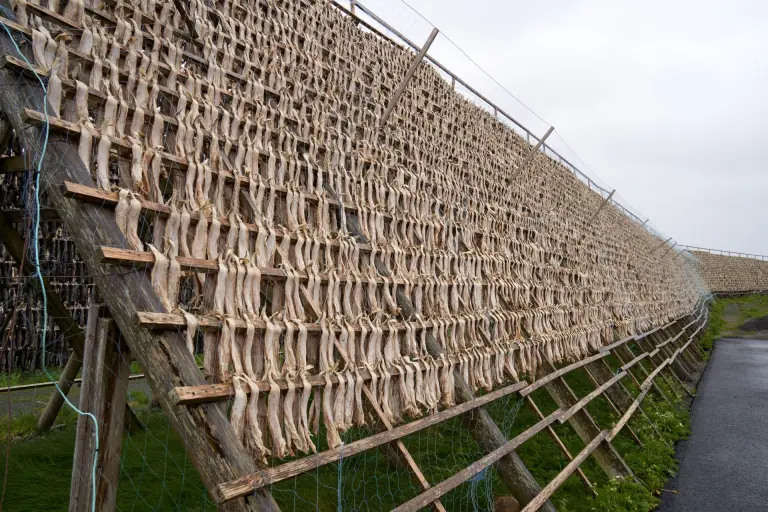 Ancona-style stockfish
Ancona’s signature dish: stockfish, potatoes and tomato cooked slowly for hours with wine and plenty of extra virgin olive oil.
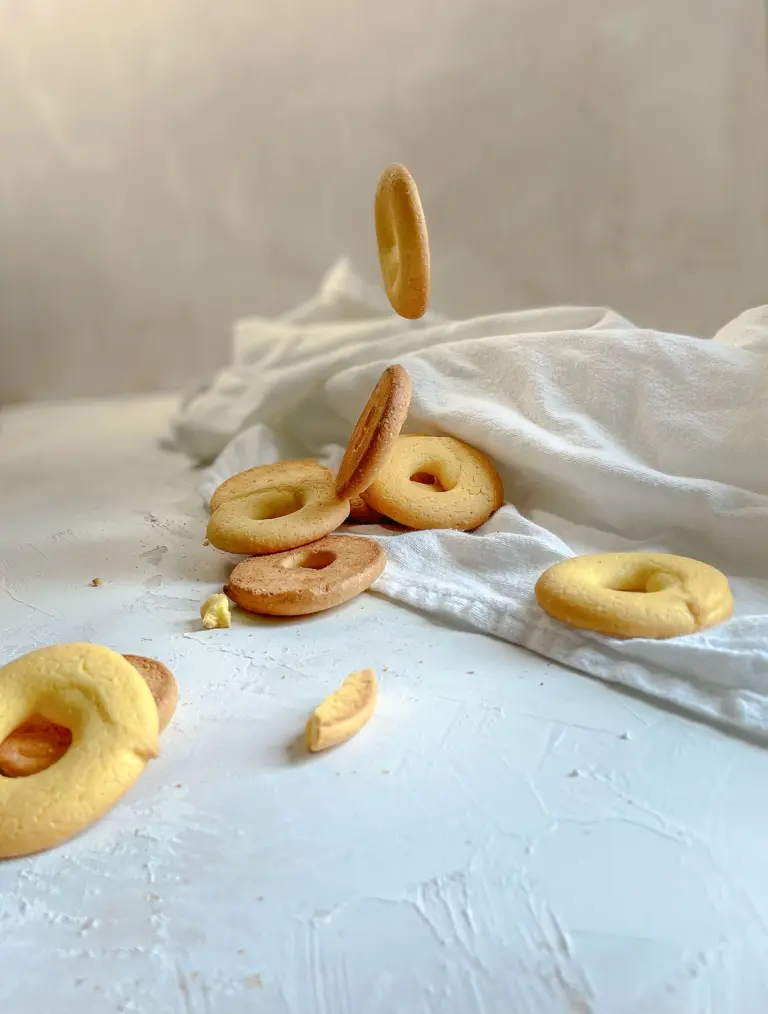 Wine ring biscuits with extra virgin olive oil
The country biscuits of central Italy, with no butter or eggs: flour, wine, sugar and extra virgin olive oil, with a drop of mistrà.