

How to recognise a quality extra virgin olive oil
What “extra virgin” means by law, what to read on the label and how to taste it at home: bitterness and pungency are virtues, colour does not count.
23 October 2026
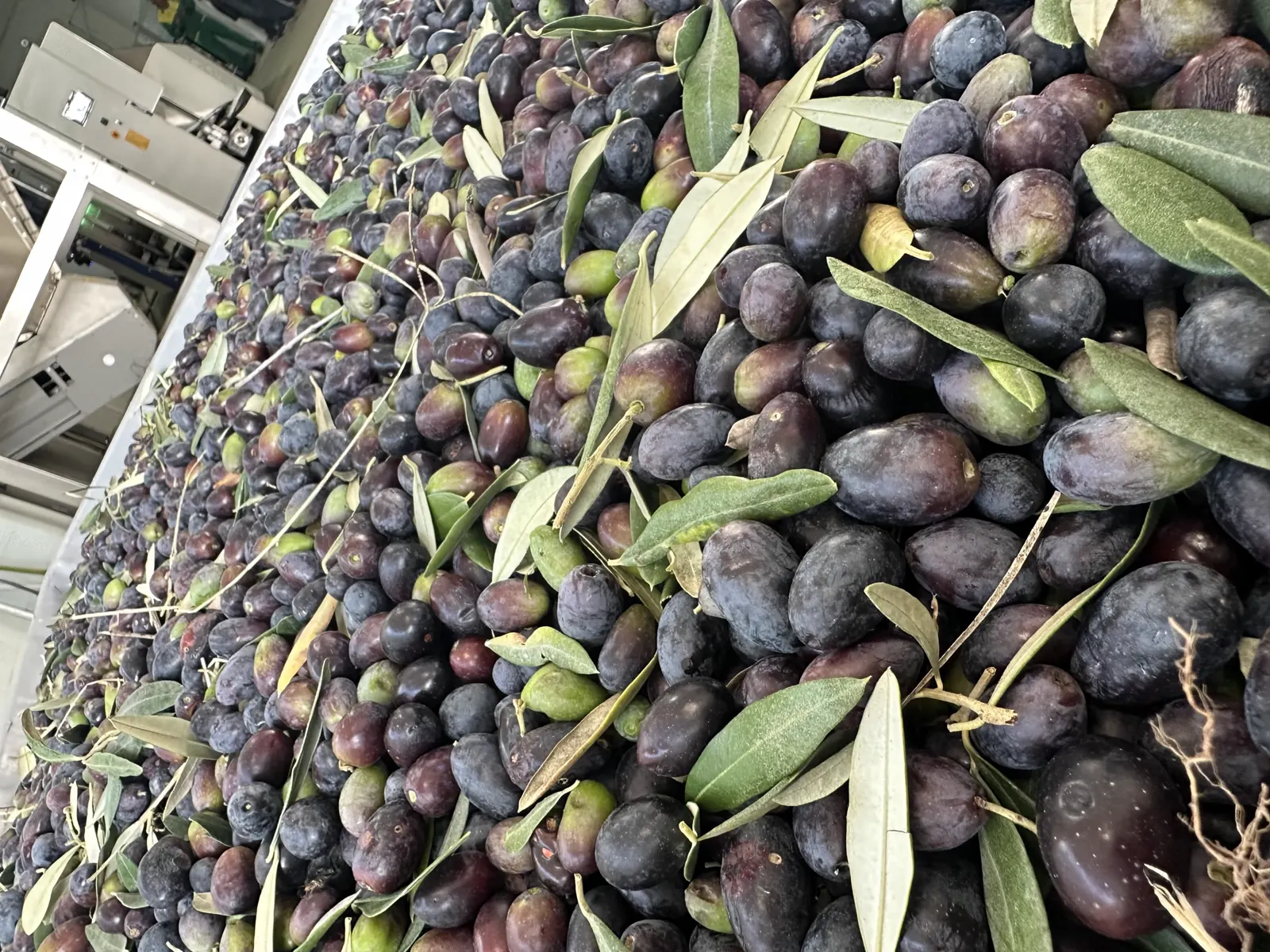
“Extra virgin” is not a slogan: it is the highest category of olive oil, with precise rules. Knowing them helps you choose, and understand why a good extra virgin olive oil costs what it does.
What the law says
Under European rules (Delegated Regulation (EU) 2022/2104) extra virgin olive oil is obtained from olives solely by mechanical means and must meet precise chemical limits: for example acidity no higher than 0.8%, plus other parameters that reveal oxidation and alteration. That is not enough: it must pass the tasting of an official panel, with no defects at all and a perceptible fruitiness. If it has defects, even slight ones, it is no longer extra virgin.
What to read on the label
- Category: “extra virgin olive oil”.
- Origin: compulsory, it tells where the olives were harvested and the oil made.
- Best-before date and lot.
- Harvest season: optional, but those who state it tell you how fresh the oil is.
- “Cold extracted”: may only be written if the oil was extracted below 27 °C.
Every wording, one by one: how to read an extra virgin olive oil label.
Colour does not count
Deep green or golden yellow depends on the olive variety and the time of harvest, not on quality. Professional tasters in fact use blue glasses, precisely so as not to be influenced by colour.
Tasting it at home
- Pour a spoonful of oil into a small glass, cover it with your hand and warm it for a moment between your palms.
- Smell it: a good extra virgin olive oil smells of fresh olives, with notes recalling cut grass, leaf, artichoke, tomato or almond. That is the “fruitiness”.
- Take a small sip, letting it run round your mouth while drawing in a little air.
- Notice the bitterness on the tongue and the pungency in the throat: they are not defects but virtues, linked to the olive’s polyphenols. In freshly made oil they are stronger.
The most common defects
A defective oil may taste rancid (old nuts), “fusty” (fermented olives, a sludgy smell), musty, or of wine and vinegar. In these cases, by law, it is not extra virgin.
Be wary of home tests
Putting oil in the fridge to see whether it sets, or looking at how thick it is, says nothing about its category: only laboratory analysis and professional tasting can.