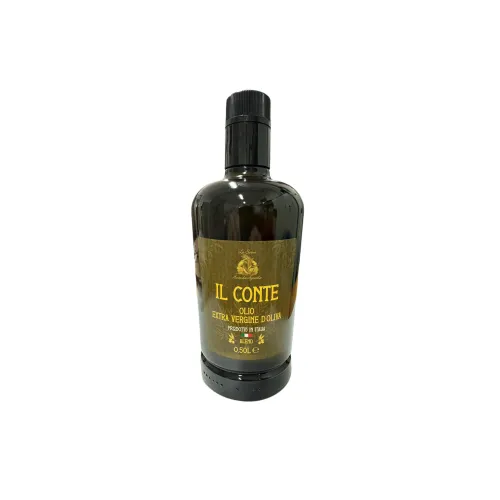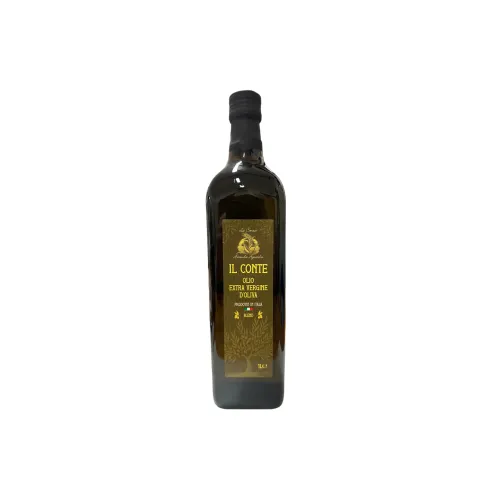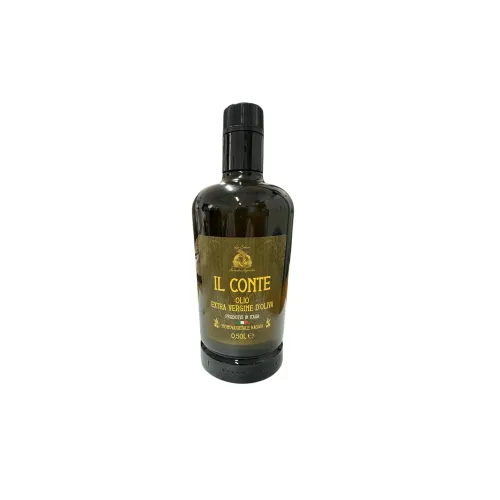


Olive oil or extra virgin: what is the difference
Extra virgin, virgin, “olive oil” and olive-pomace oil: the four categories on the shelves, how they are made and how to tell them apart on the label.
23 October 2026
On the shelves you will find bottles labelled “extra virgin olive oil” and others that just say “olive oil”. They are not the same thing: EU rules (Delegated Regulation (EU) 2022/2104) divide olive oils into precise categories, and only four of them may be sold to consumers.
Extra virgin olive oil
This is the top category. It is obtained directly from olives and solely by mechanical means, with no chemical treatment. Its acidity must not exceed 0.8% and it must pass an official tasting panel: no defects and a perceptible fruitiness. On the label it comes with the sentence “superior category olive oil obtained directly from olives and solely by mechanical means”.
Virgin olive oil
Virgin oil is also obtained solely by mechanical means, but with looser limits: acidity up to 2% and some slight defects on tasting. It is rarely seen in shops.
“Olive oil”
When the label just says “olive oil”, it is a blend of refined olive oils and virgin oils. Refining is an industrial treatment that corrects oils whose defects are too marked for them to be sold as they are; along with the defects, though, the aromas and flavour go too. That is why the label carries the sentence “oil comprising exclusively olive oils that have undergone refining and oils obtained directly from olives”.
Olive-pomace oil
Pomace is what is left of the olives after the oil has been extracted. The oil obtained from it is refined and blended with oil obtained directly from olives.
How to tell them apart on the label
- The category is always stated, with its fixed sentence.
- The origin (for example “Italy” or “European Union”) is mandatory only for extra virgin and virgin oil; it is not given for “olive oil” and olive-pomace oil.
- Fruity, bitter, pungent and the harvest year may only be stated for extra virgin and virgin oil.
Every wording, one by one, is explained in how to read an extra virgin olive oil label; to recognise a good extra virgin oil by tasting, read how to recognise quality extra virgin olive oil.
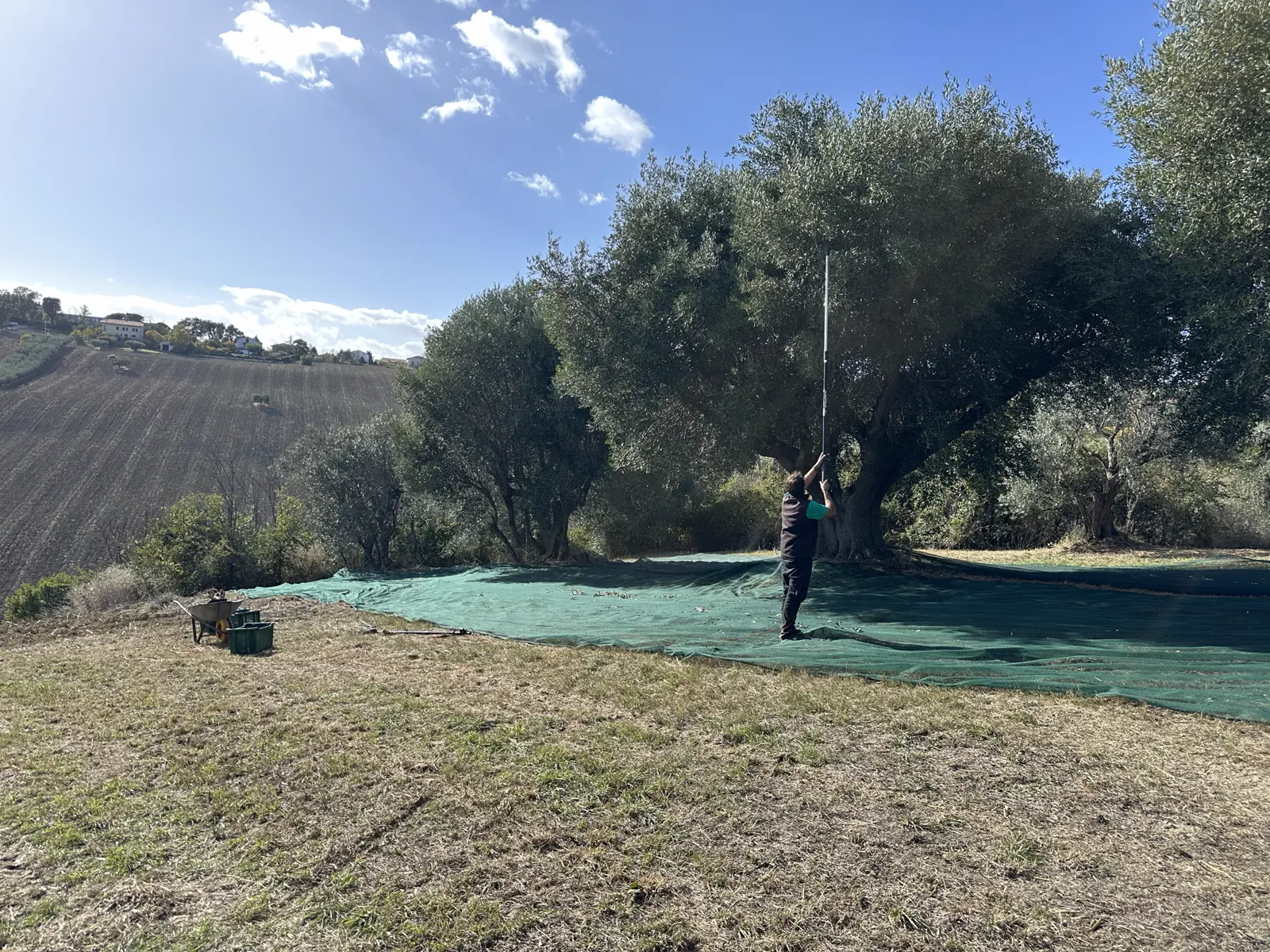
Source: Delegated Regulation (EU) 2022/2104, Articles 1, 2, 6, 8, 10 and 11 and Annex I, on EUR-Lex. Photo: the harvest in our olive groves at San Marcello.