

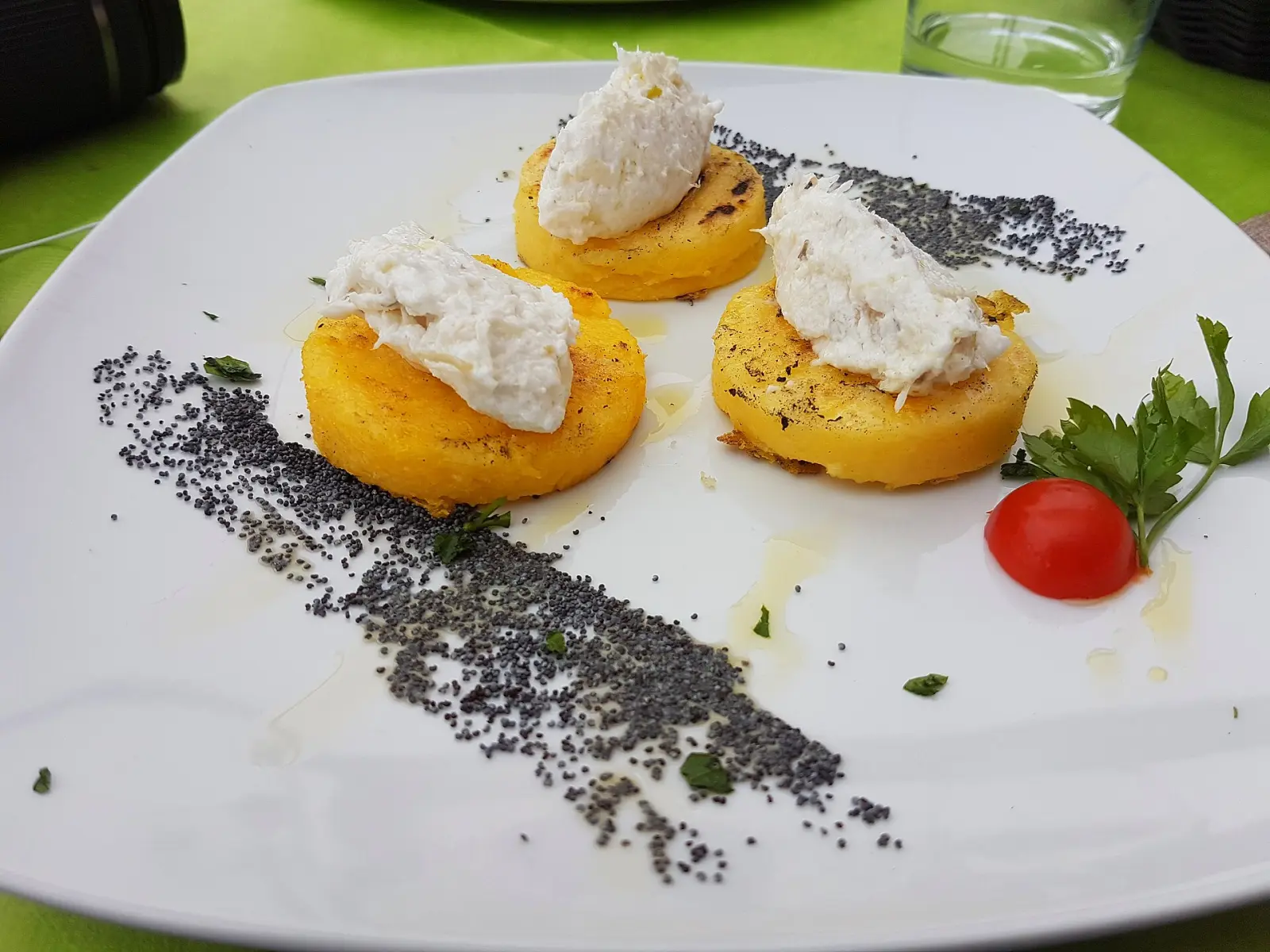
Venetian baccalà mantecato (whipped stockfish)
Poached stockfish slowly whipped with extra virgin olive oil into a cream: the Christmas Eve classic of Venice, on polenta or crostini.
- Preparation
- 40 min
- Cooking
- 20 min
- Yield
- Serves 6
- Course
- Starter
28 October 2026
In Venice it is called baccalà, but it is made with stockfish: cod dried in the air, not salted. The recipe codified in 2001 by the Confraternita del Bacalà Mantecato calls for stockfish and extra virgin olive oil only: no cream, no butter. All the work is in the whipping, when the flaked fish is beaten with oil poured in a thin stream, as for mayonnaise.
Ingredients for 6, as a starter
- 500 g dried stockfish (or about 1.2 kg stockfish already soaked)
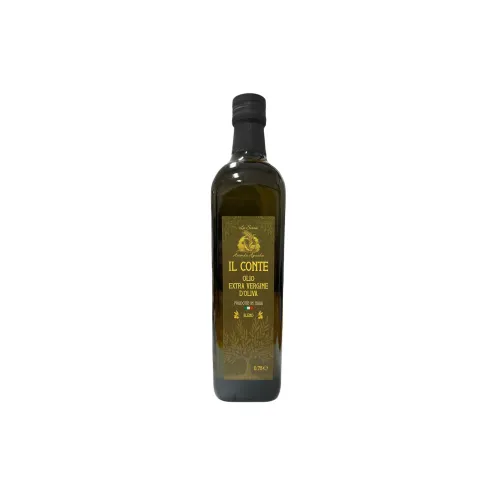
- 250–300 ml IL CONTE Blend, as much as it takes
- 1 garlic clove
- 1 bay leaf and a slice of lemon, for cooking
- Salt and white pepper
- Chopped parsley (optional)
- Grilled polenta or bread crostini, to serve
Method
- If the stockfish is dried, keep it in cold water in the fridge for at least two days, changing the water at least once a day.
- Cut it into pieces and put it in a pot of lightly salted cold water with the bay leaf and lemon. From the boil, simmer for about 20 minutes.
- Drain it, keeping some of the cooking water. While still warm, remove the skin and bones and flake it.
- Put it in a bowl with the crushed garlic and start beating it with a wooden spoon, or with the flat beater of a stand mixer on low speed, pouring in the oil in a thin stream, a little at a time, so that it is absorbed. If it gets too stiff, add a spoonful of cooking water.
- Keep going until it becomes a pale, soft cream that still has some strands. Remove the garlic, season with salt and pepper and add the parsley if you like.
- Serve at room temperature on slices of grilled polenta or on crostini.
The right oil
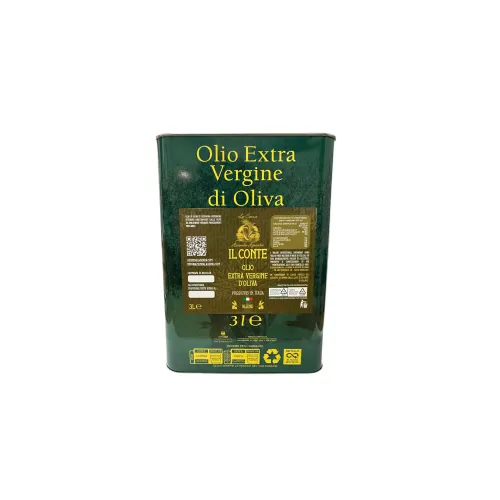
Here the oil is half the dish and goes in generously: it needs a rounded extra virgin olive oil that is not too pungent, so it does not hide the fish. This is a job for the Blend; for the holidays, the 3-litre tin is enough for more than one batch.
Photo: Benreis, Wikimedia Commons, licence CC BY-SA 4.0.